



Additive Manufacturing
Rapid Prototyping & Complex Component Fabrication with 3D Precision
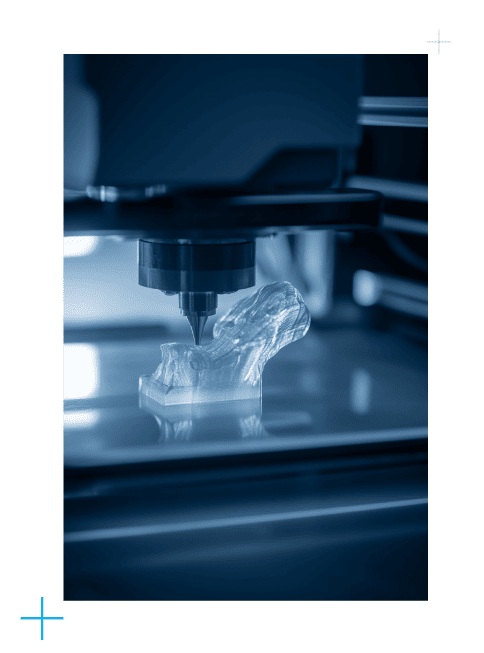
GSH offer additive manufacturing (3D printing) services that complement our precision engineering capabilities. This service enables fast, cost-effective production of prototypes, complex geometries, and low-volume custom parts with minimal lead time and material waste.
What is Additive Manufacturing?
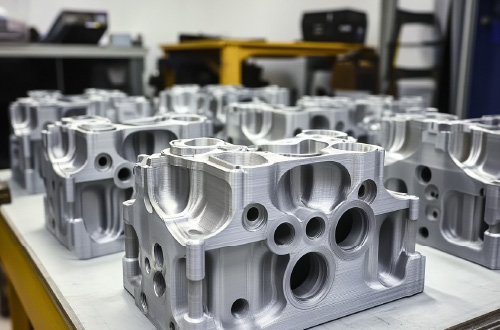
Additive manufacturing is a process that builds parts layer by layer using digital models. Unlike traditional subtractive methods (e.g., CNC machining), it creates parts with complex internal structures, organic shapes, and integrated assemblies that would be difficult or impossible to produce otherwise.
Partnered with Global Leaders
We partner with leading 3D printing brands to deliver high-quality, reliable, and innovative additive manufacturing solutions.
Our Additive Capabilities
Rapid Prototyping
Turn your ideas into physical parts within days.
Functional End-Use Parts
Strong, lightweight components for testing or deployment.
Complex Geometries
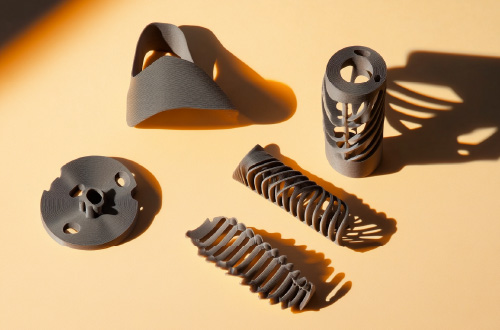
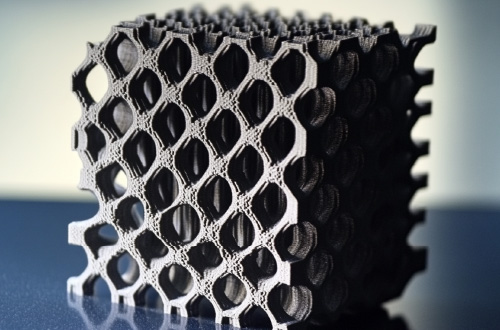
Internal channels, lattice structures, and consolidated assemblies.
Low-Volume Production
Cost-effective for small runs without the need for tooling.
Our Technology
01.
Fused Deposition Modeling (FDM)
High durability and industrial-strength materials
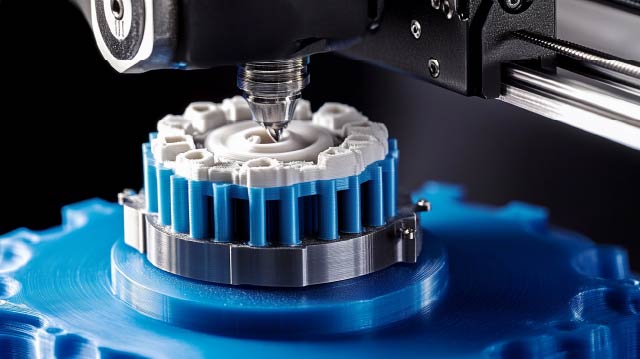
Builds parts layer by layer using thermoplastic filaments, making it ideal for robust, functional prototypes and end-use components.
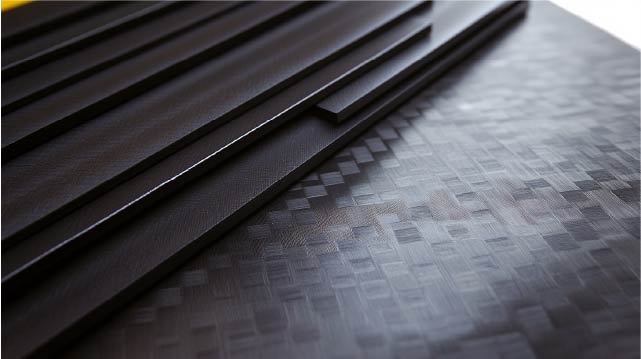
Materials: Carbon-filled Nylon (Onyx), High Temp Plastic (ULTEM™ 9085), and composites with Carbon Fiber, Kevlar®, and Fiberglass reinforcement.
Applications: Strong and lightweight parts for jigs, fixtures, tooling, housings, and industrial mechanical components.
02.
Selective Laser Sintering (SLS)
Excellent mechanical strength with freedom of complex shapes
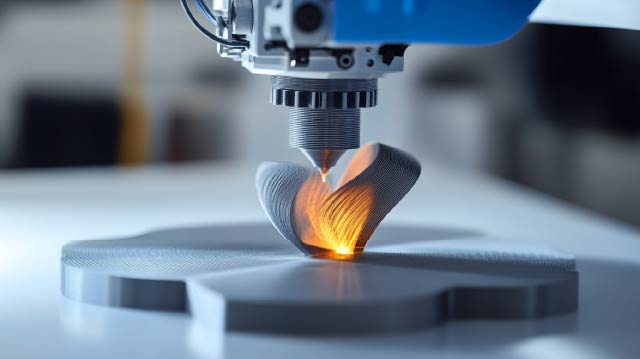
Uses a laser to fuse powdered materials layer by layer. No support structures are
needed, allowing complex, interlocking geometries.
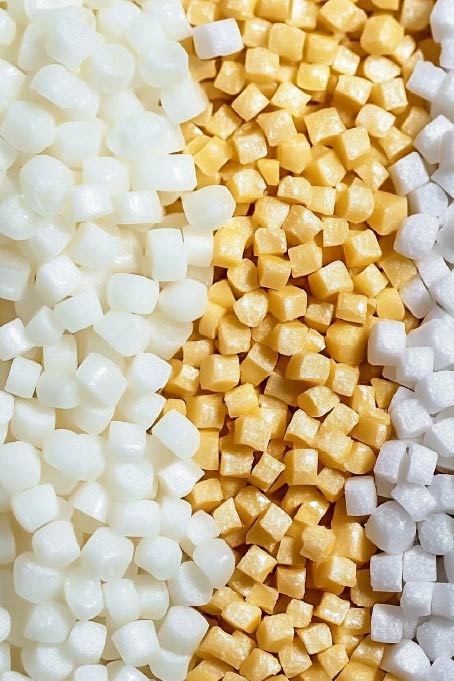
Materials: CDurable Engineering Nylon (PA12), Rubber-like TPU (flexible material).
Applications: Functional prototypes, snap-fit parts, and production-ready mechanical components that need toughness and wear resistance.
03.
Stereolithography (SLA)
Exceptional surface finish and fine detail
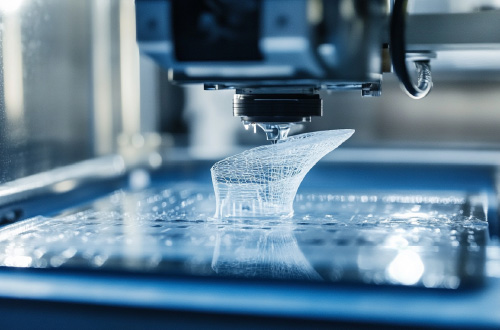
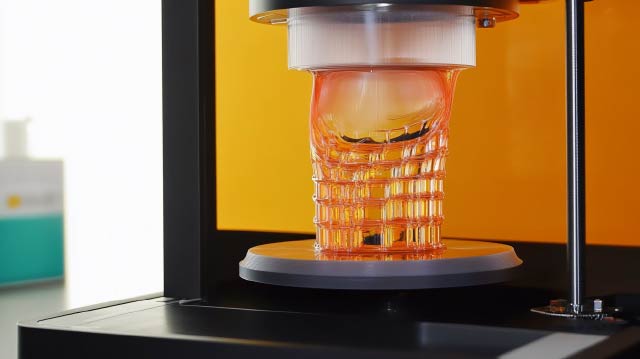
A laser cures liquid resin with high precision to create smooth, high-resolution parts.
Perfect for detailed or cosmetic components.
Materials: Acrylic-like standard resins, ABS-like Tough resins, PE-like Durable resins, Rubber-like flexible resins, and Castable resins.
Applications: High-detail prototypes, dental molds, jewelry masters, and parts requiring accuracy and a polished finish.
Materials We Work With
Plastics
-
ABS-like (Strong & durable)
Used for functional prototypes, jigs, fixtures, and end-use parts.
-
Nylon (Durable Engineering Plastic)
Tough and wear-resistant. Suitable for mechanical parts, moving hinges, and enclosures.
-
PE-like (Flexible and Impact-Resistant and Biocompatible)
Good for snap-fit components and lightly loaded mechanical parts.
-
PP-like (Semi-Flexible Plastic)
Great for parts that need to flex slightly under load.
-
PEEK-like (High-Performance Engineering Plastic)
Excellent stiffness and heat resistance for demanding applications.
-
Rubber-like (Flexible Material)
Stretchable and soft-touch, ideal for grips, gaskets, and wearable parts.
-
Silicone-like (Very Soft & Stretchable and Biocompatible)
Extremely flexible, used for skin-contact parts and soft models.
-
Acrylic-like (General-Purpose Plastic and Biocompatible)
Best for fine-detail parts and visual prototypes.
-
Glass-Filled Plastic (Ultra Stiff)
Rigid and stable for precision tooling.
-
Flame-Retardant Plastic
Safe for electrical and fire-risk environments.
-
Anti-Static ABS-like
ESD-safe for electronic applications.
-
High-Temp Plastic
Withstands extreme heat, used in tooling and thermal fixtures.
Composites
-
Carbon-Filled Nylon (Strong and Lightweight)
Replaces metal in jigs, fixtures, and aerospace parts.
-
Carbon Fiber Reinforced
Extremely stiff and strong for load-bearing parts.
-
Kevlar Reinforced (Impact-Resistant)
Damps vibration and resists impact.
-
Fiberglass Reinforced (Cost-Effective Strength)
Affordable and strong — great for general fixtures.
Metals
-
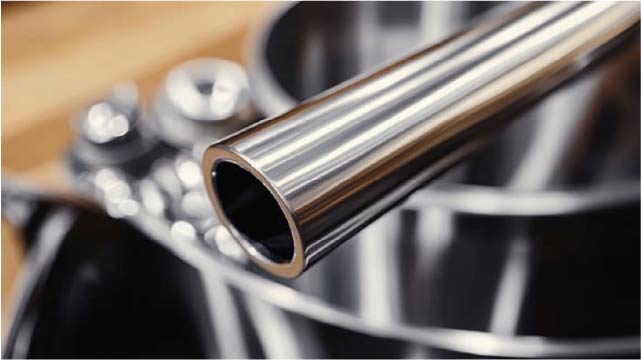
Stainless Steel
Strong, corrosion-resistant, and machinable.
-
Copper
Excellent thermal and electrical conductivity.
-
Nickel Alloy (High Temp Metal)
Built for extreme temperatures and corrosive conditions.
-
Tool Steel (Hardened Steel-like)
Extremely hard and wear-resistant, maintains strength at high temperatures—ideal for dies, molds, and fixtures.
Dental & Biomedical Part
Biocompatible under ISO 10993, ISO 7405 dental, and USP Class VI) compliance
-
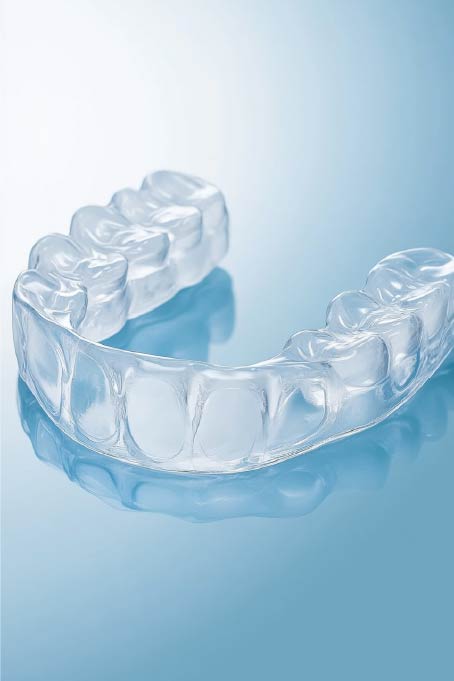
Hard Splints (Acrylic-like, Biocompatible)
Strong, transparent material for long-term dental splints.Dental LT Clear
-
Soft Splints (Foam-like, Flexible)
Comfortable material for flexible mouth guards and splints.
-
Biocompatible Trays (PEEK-like)
High-stiffness, patient-safe trays for custom impressions.
-
Surgical-Grade Plastic (Sterilizable & Translucent)
High-strength resin for surgical guides and templates.
-
Elastic Biocompatible Resin (Silicone-like)
Flexible, skin-safe material used for soft medical applications.
-
High-Strength Bio Resin
Tough resin for medical parts requiring high strength and compliance.
Application Type
01.
Prototyping
3D printing lets teams turn a digital design into a physical prototype in hours, not weeks. This rapid turnaround means engineers can test and refine ideas quickly. FDM (filament) printers can spit out strong, functional prototypes fast, and SLA resin printers create smooth, high-detail models. Metal 3D printers even make metallic test parts. By avoiding long waits for molds or machining, teams can catch design issues early and speed up product development.
02.
Tooling
3D printing is great for making custom manufacturing tools. Instead of waiting on expensive machined molds or dies, you can print tooling (like injection mold inserts or vacuum-form patterns) in-house. These printed tools let you produce small batches of parts in plastic, silicone, rubber, or even metal with much less time and cost. For example, an FDM printer can produce a durable plastic mold or die, SLA can print a finely detailed master, and SLS can build large, strong nylon tools. This approach cuts lead times and lets you validate designs or make low-volume parts without heavy investment in steel tooling.
03.
Jigs & Fixtures
Manufacturers use jigs and fixtures to guide or hold parts during assembly and inspection. 3D printing makes it easy to create these custom aids to fit any shape. For complex or one-off fixtures, printing is often faster and cheaper than machining. For instance, an FDM printer (especially with fiber-reinforced plastic) can produce a rigid, lightweight clamp or locator jig; an SLA printer can make a precise, smooth fixture; and an SLS printer can build a durable nylon fixture for heavier use. These accurately shaped, custom-fit tools improve assembly speed and quality without long waits or high cost.
04.
End-Use Parts
3D printing can produce final-use parts directly, without any metal or plastic tooling. This is ideal for low-volume, custom, or complex products. Because no dedicated mold is needed, you can make parts that would be too expensive or impossible with traditional methods. For example, SLA or SLS 3D printers can create intricate or curved plastic parts, FDM printers can produce tough structural components (sometimes reinforced with fibers), and metal printers can make fully functional metal parts. This way, companies can offer customized designs and short production runs costeffectively
05.
Injection Molding
(Aids, Tooling, Low-Volume)
3D printing lets you shortcut the injection molding tooling process. You can print prototype mold inserts, pattern masters, or even full injection cavities so that plastic parts can be molded in low volume. This means instead of waiting months for a hardened steel mold, you can print a mold component and run a small batch right away. SLA and SLS prints can typically run hundreds of injection cycles before wearing out, and metal 3D-printed mold inserts let you produce pilot parts in plastic and metal. In short, printing molds and patterns cuts weeks off lead times and slashes costs for prototype runs and short-run production.
06.
Tight-Tolerance Components
When parts must fit together very precisely (for example, snaps, seals, or precise assemblies), SLA and SLS printers are strong options. They can print with fine resolution and very uniform layers, achieving tolerances around ±0.1 mm. FDM printers are generally a bit less precise (on the order of ±0.3–0.5 mm), but they can still make functional parts quickly. For ultimate precision, metal 3D-printed parts can be post-machined to tight specs. This flexibility means you can get small runs of highly accurate parts without investing in custom machining for each batch.
07.
Part Consolidation
(Reducing Assemblies)
A powerful advantage of 3D printing is combining many parts into one printed piece. Instead of bolting dozens of small parts together, engineers can redesign the assembly as a single complex 3D-printed component. This cuts assembly time, lowers costs, and removes leak paths or failure points. Metal 3D printing is especially useful here – it can produce a complex metal assembly as one part that is often lighter, cheaper, and more reliable than the original multi-piece version. Plastic prints (SLA, SLS, FDM) also allow internal channels or hinges in one piece. Fewer parts mean less inventory, fewer assembly steps, and a simpler, more robust product.
Case Studies
- All Posts
- Case Study
- Event
- Implementation
- News
- Technology
- Back
- Additive Manufacturing

Angkasa-X, E&E companies to bolster cooperation in space technology Company Achievement GEORGE TOWN, Feb 21 – Angkasa-X Innovation Sdn Bhd,...
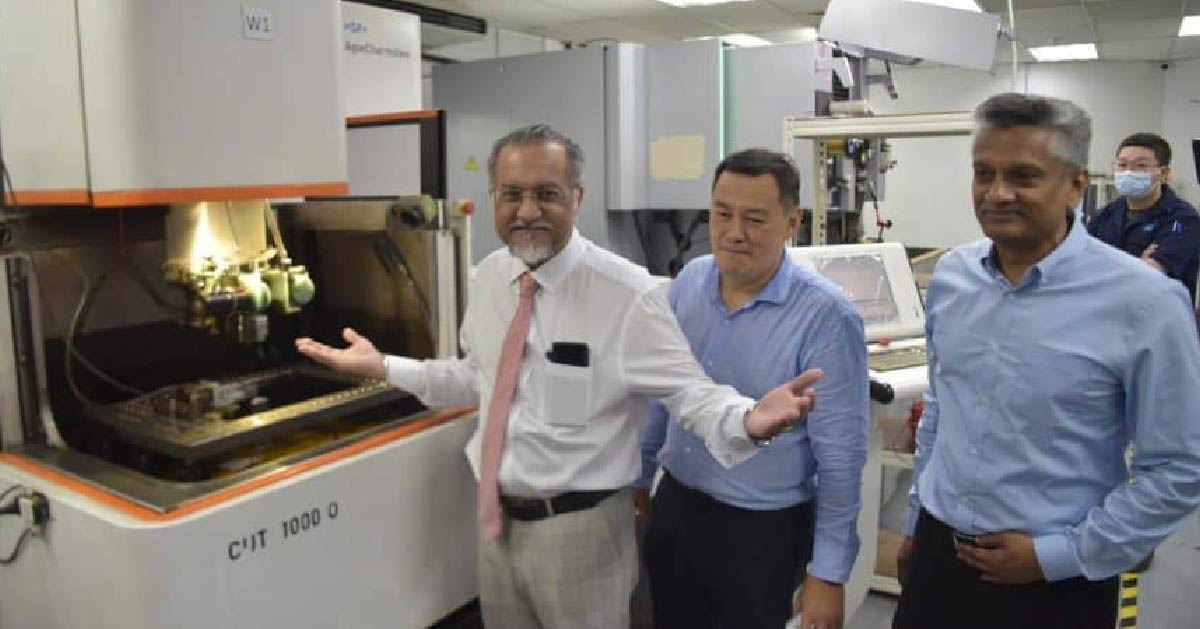
State govt committed to supporting SMEs in Penang Company Achievement THE Penang government remains unwavering in its commitment to supporting...
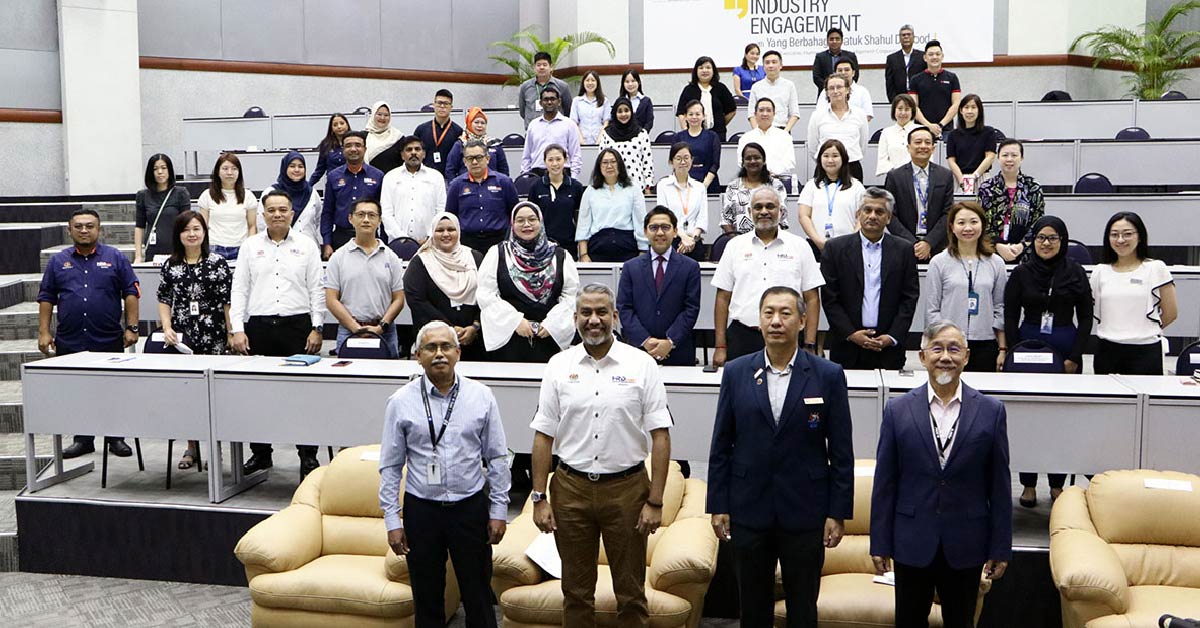
Industry Engagement with Yang Berbahagia Datuk Shahul Dawood, Chief Executive of HRD Corp @ 11 Jan 2023 Company Achievement The...
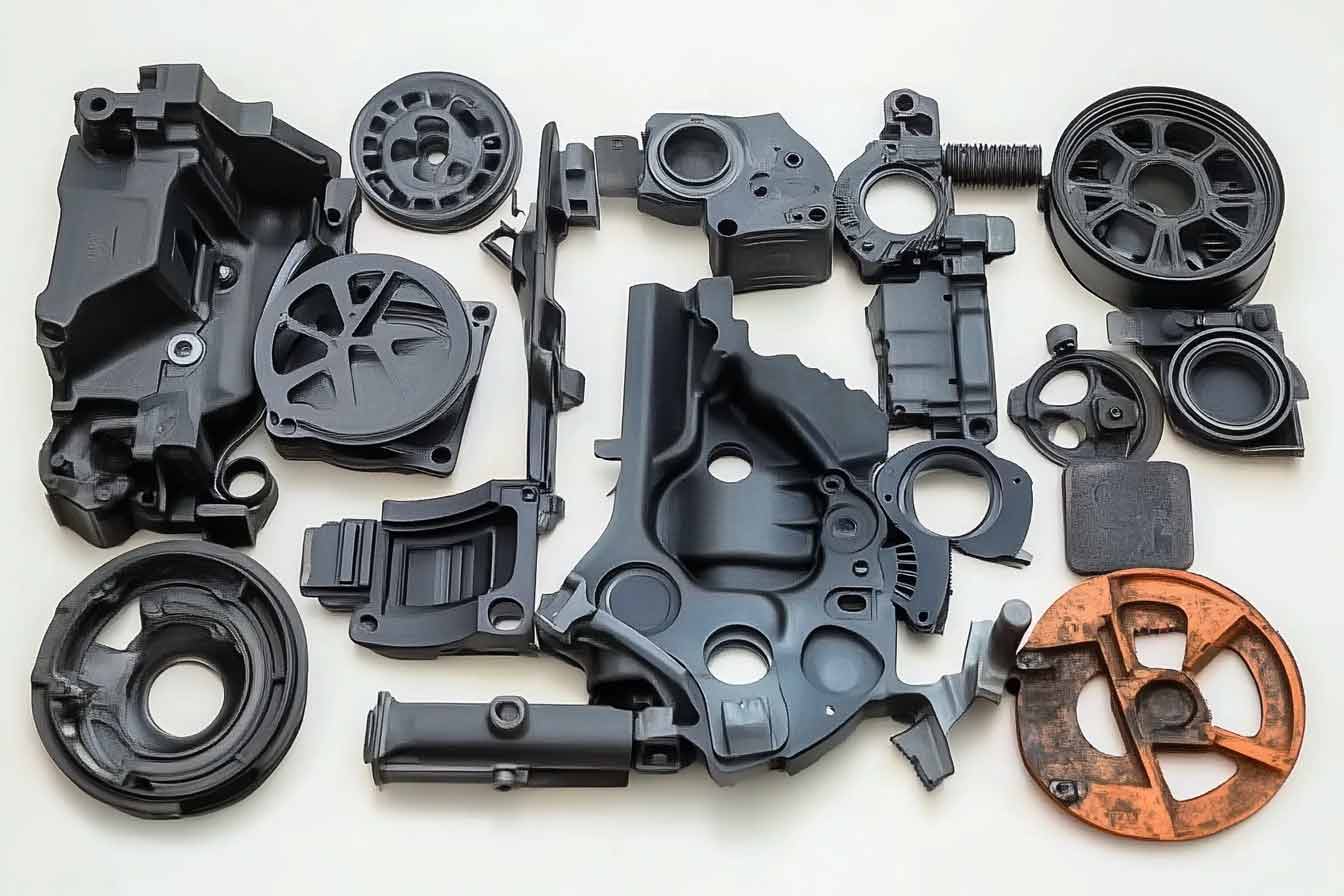
Replacement and Spare Parts Additive Manufacturing, Case Study 3D printing excels at low-volume, on-demand spares. Markforged explicitly notes that companies...
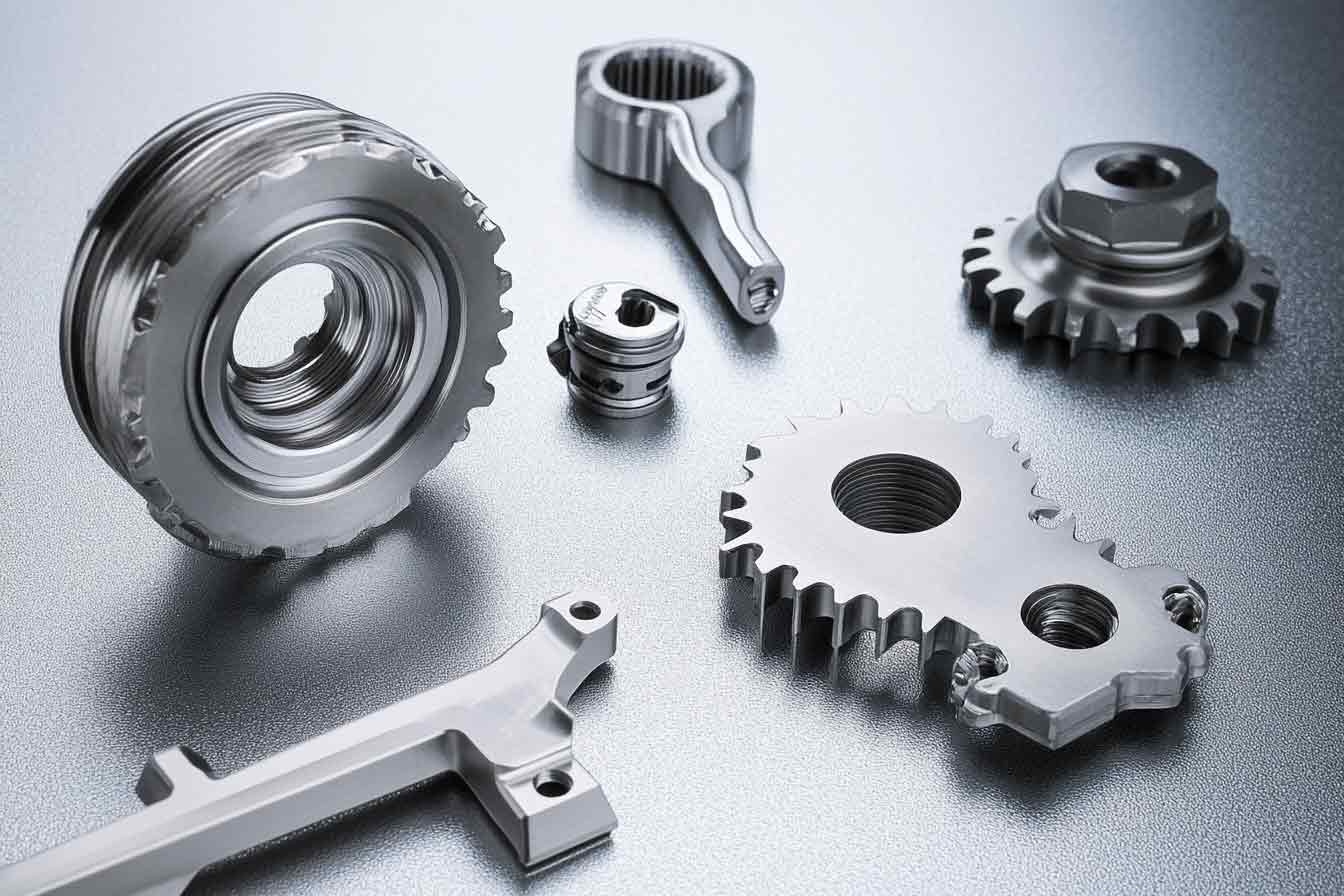
Casting Additive Manufacturing, Case Study Metal X system can produce metal parts (steel, stainless, etc.) by printing bound metal powder...
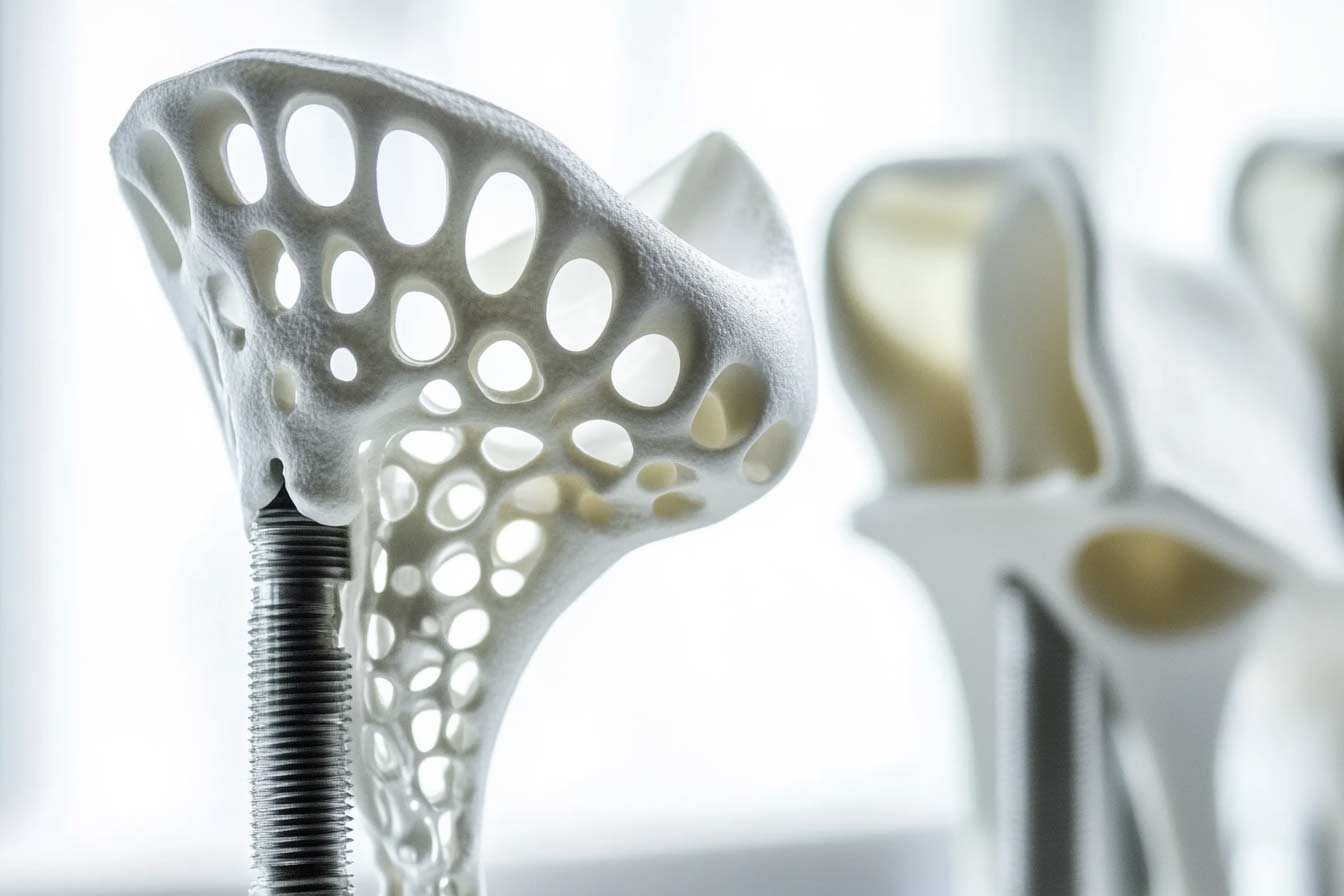
Dental and Medical Additive Manufacturing, Case Study In dental and medical fields, 3D printing enables patient-specific and biocompatible parts. Formlabs...
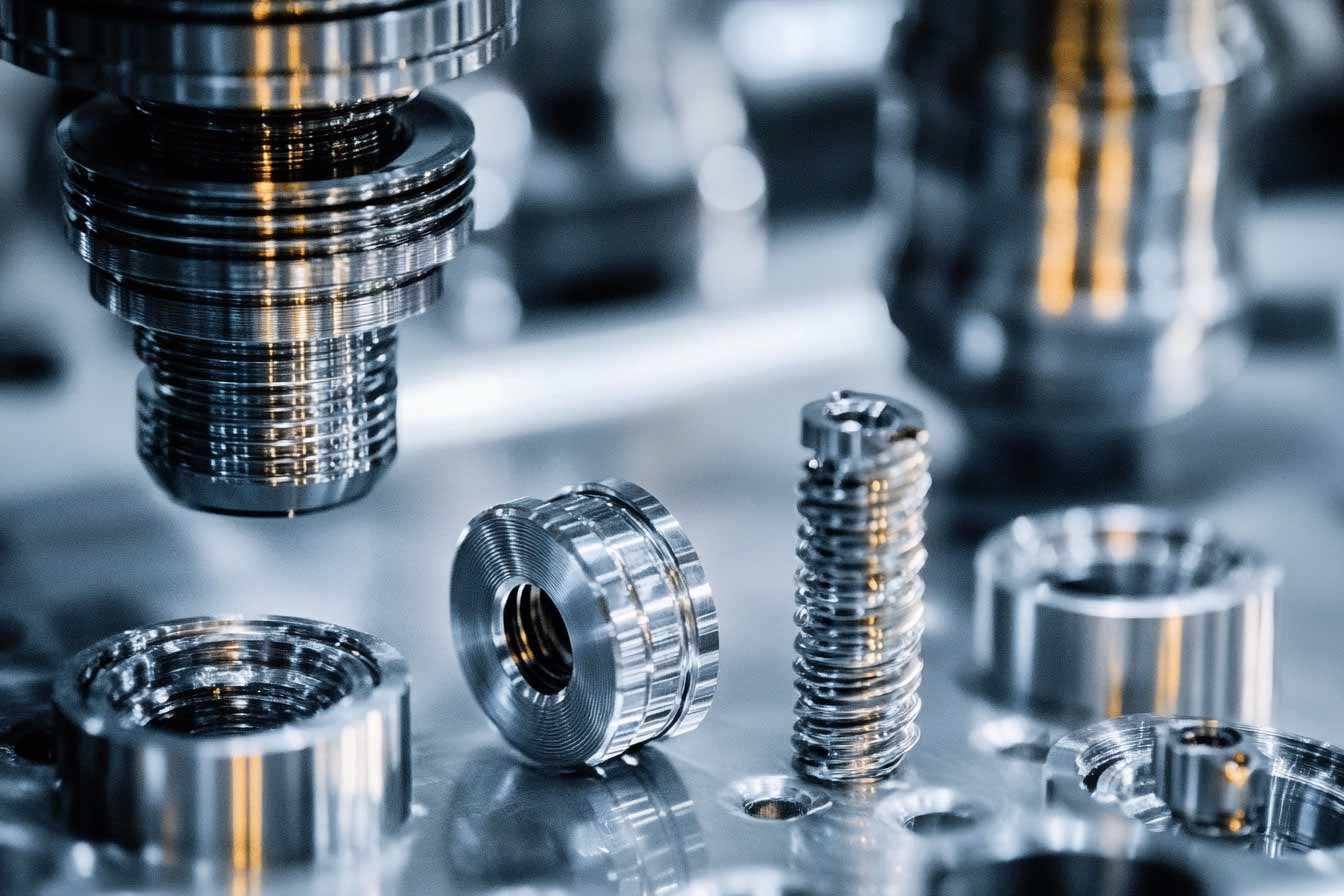
Tight-Tolerance and High-Precision Parts Additive Manufacturing, Case Study Both Formlabs and Markforged systems achieve very fine detail and fit. Formlabs...
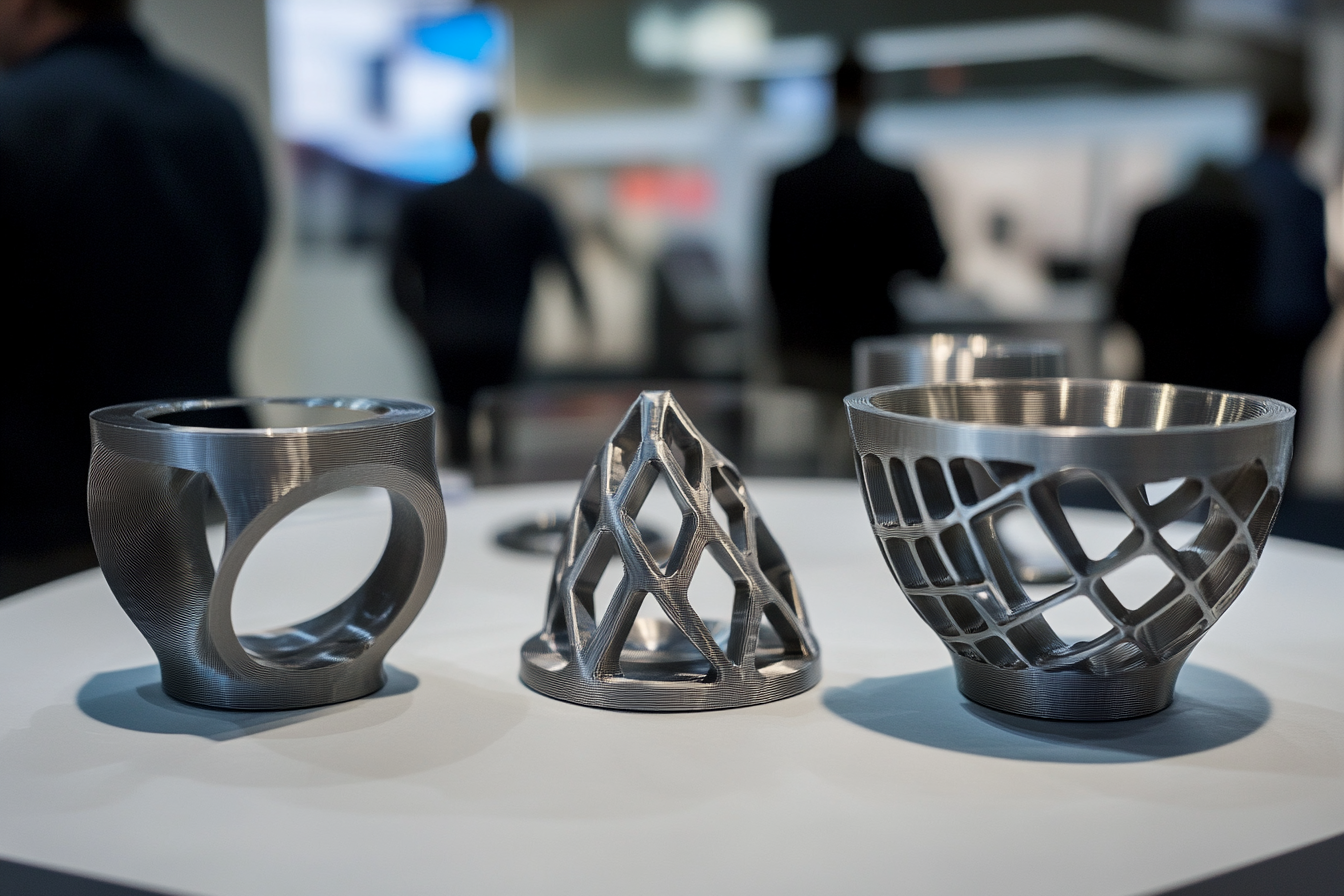
Part Consolidation and Internal Features Additive Manufacturing, Case Study Additive design allows multiple parts to be merged into one. Markforged...